
HOW IT WENT
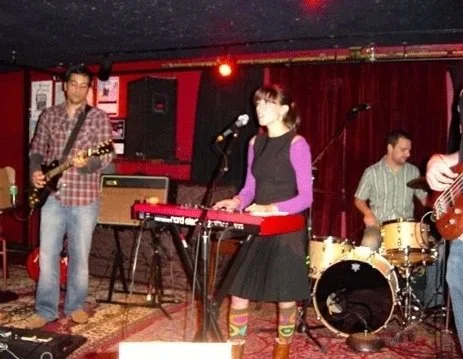
Performing at Lizard Lounge, Cambridge, MA (old school days)
What on earth are you doing playing the saxophone?
Consequently, the most effective question of my middle school years. My band teacher said I should quit saxophone and audition for the District Choir. Shy kid singing with no one around — or so I thought. I took his advice, and call it beginner’s luck, a keen ear or both, I won First Chair.
I started performing out at 15, and at 16, earned the Maine State “Best Jazz Vocalist” award. Quitting the saxophone was turning out to be good.
Sometimes, you get lucky when a teacher sees something before you do.
After undergrad, I moved to Boston and coached hundreds of singers, fronted a band that performed around the Northeast, recorded an album in a bathroom, and earned TV placements for my songs in Germany.
I had a vision for New York. I knew I could build a teaching practice there, and become an artist amidst the city canvas. My move was funded by an I.T. company, but after the music-loving CEO hosted a karaoke night, I had it coming:
What on earth are you doing selling I.T. services?
That got me thinking. I learned of a professor at Columbia University who had collaborated with Mihaly Csikszentmihalyi to study flow in children’s music learning. That convinced me to apply, and I was accepted and won a scholarship. I.T was out.
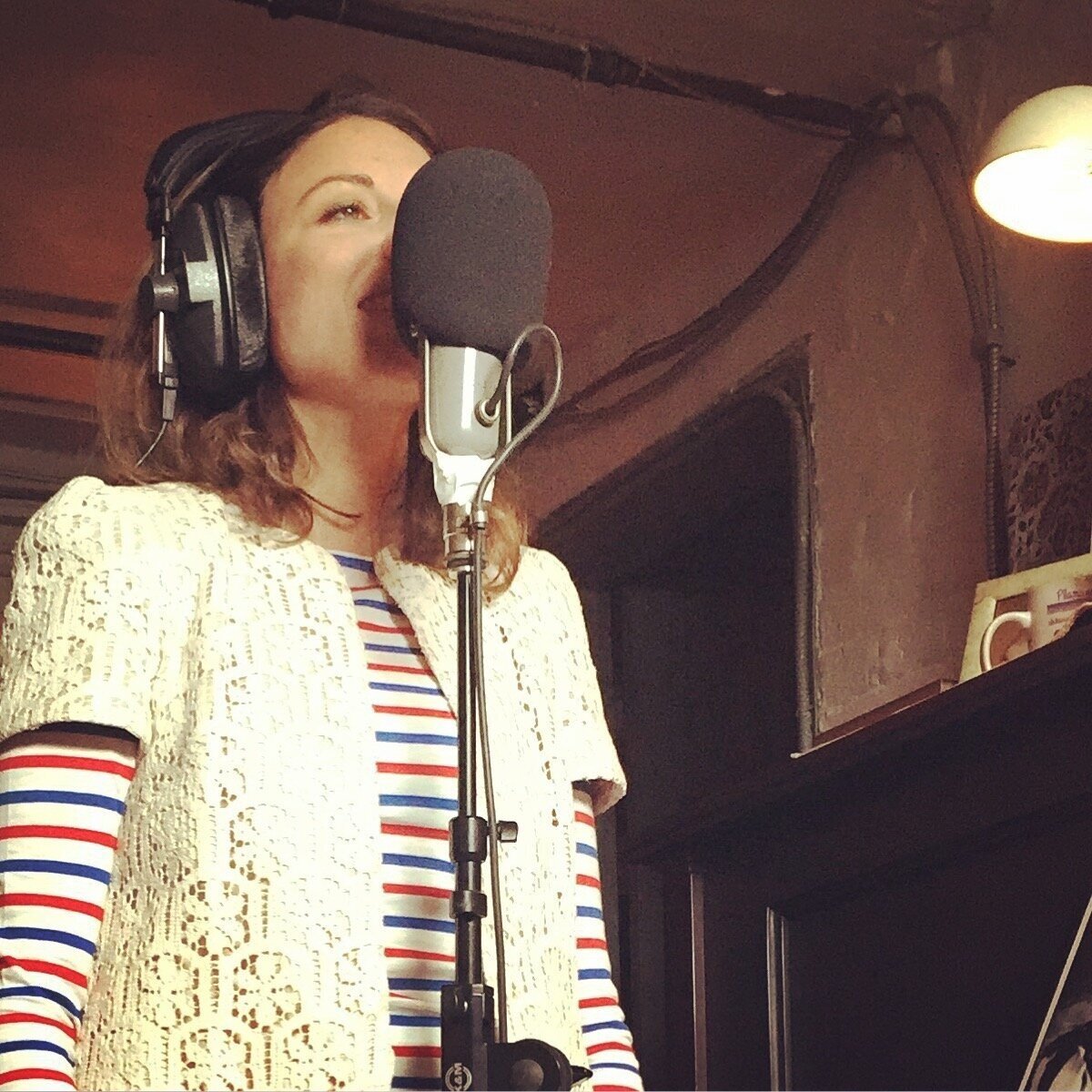
Recording Maritime Cowboy, Malcolm Burn’s studio, Kingston, NY
This began the journey of Compass Music Lab — a rival mix of methodic experiments and true-north intuition.
I started traveling between family homes, testing ideas with curious learners while working on my graduate degree in Music & Music Education.
After graduation and in the margins between work and teaching, my lunch break became an investigative lab. A 30-day street performance experiment in Central Park led me to a 365-day music-making challenge in the practice rooms at 92NY, down the hall from my office. One day, a knock.
Why on earth haven’t you recorded these songs?
Said renowned jazz artist Brian Landrus in the doorway on his surprise visit. Later, while upstate over New Year’s, I asked my host if I could play the piano. That was GRAMMY-winner Malcolm Burn, who invited me to his studio the next day. In the spring, we spent 9 straight days recording, with a minimalist band and no vocal booth — I knew we’d get on from the start, when we agreed on doing lots of full takes and using absolutely no AutoTune. It was marvelous. Maritime Cowboy was praised by a Sony Music Executives, The Juilliard School, a Nobel Peace Prize Nominee. A slew of listeners and my student’s families funded the work. After exactly one (sold out) release show, the songs on Maritime Cowboy have never been performed again. Sometimes, it’s about the process — the transformation — and not the performance. Yet, other things were starting to intertwine. The following year, one hundred six-year-olds became my choir.
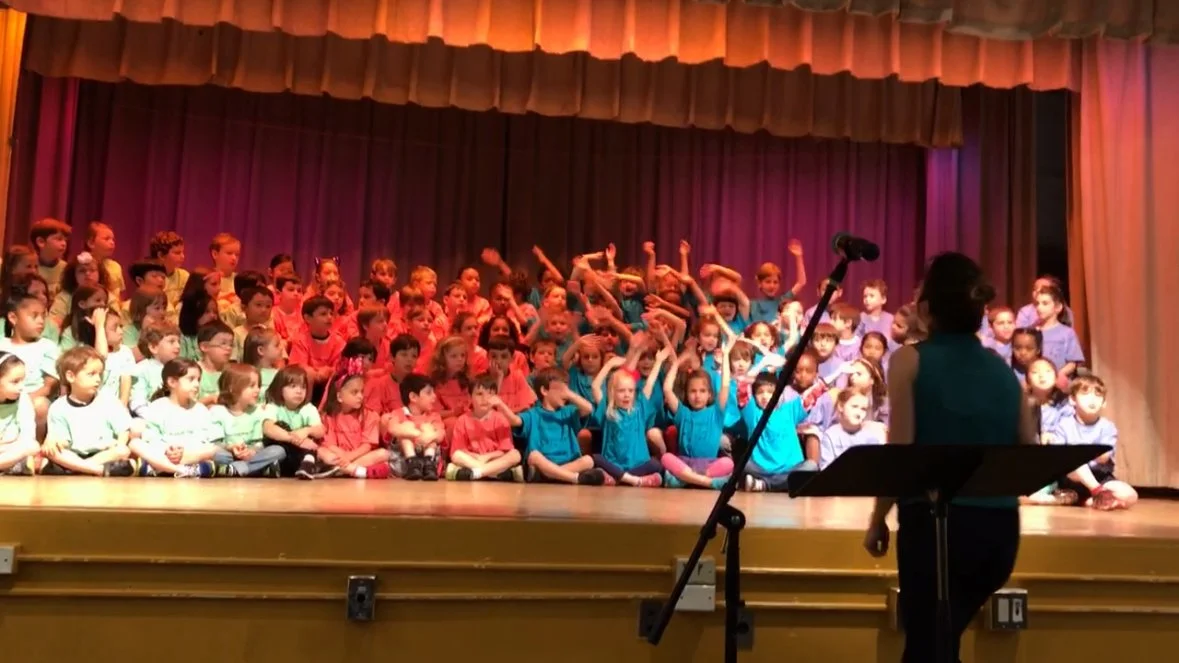
“Conducting” my choir of 100 six-year olds, New York, NY
Suddenly, I had a powerful glimpse at music, curiosity, cognition and play.
To that end, I spent the better part of the pandemic creating and testing a music puzzle called Mystery Mashup — the culmination of 17 years working with learners in creative process.
Still new to North Carolina, I wandered into an empty church to play the Petrof. That afternoon, late Fall 2022, the Reverend peeked out from a back room.
Where on earth did you come from?
Of course.
So, after a few years as the resident musician, playing and singing for a silent room became its own kind of practice. I thought about those early Boston days — the first attempts at self-accompaniment.
“Quite the troubadour,” I smirked. “What’s next?”